Vesalius and science
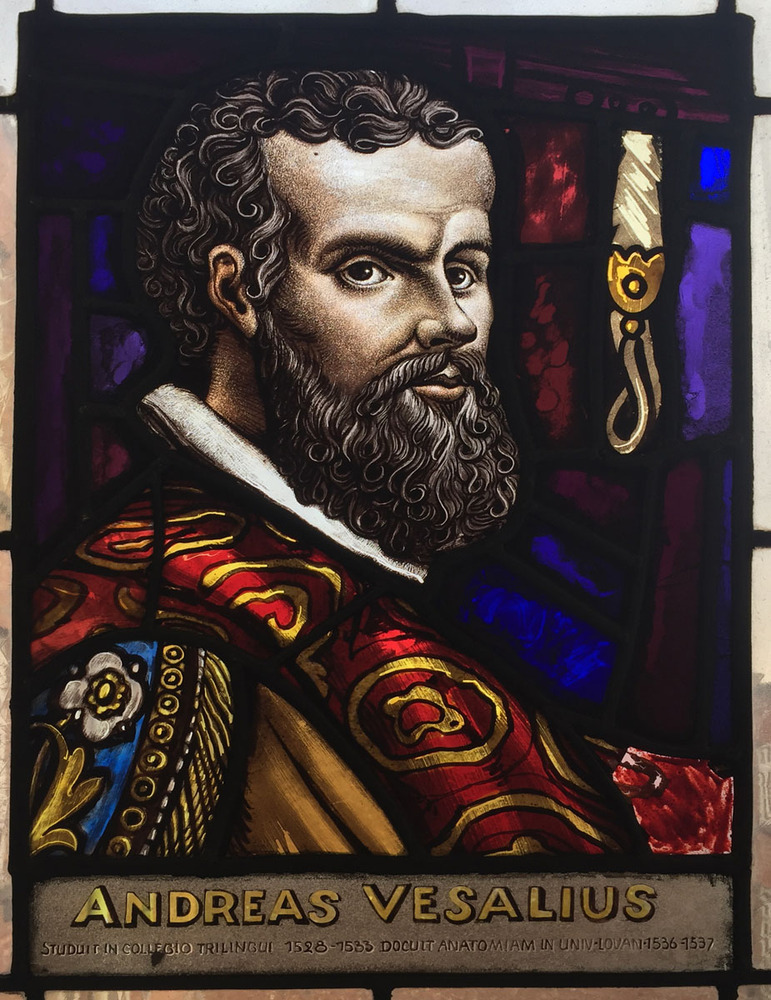
Andreas Vesalius was born as Andries van Wesele in Brussels on the last day of the year 1514. Living near the Brussels gallows and born into a family of doctors and pharmacists, Vesalius already showed an insatiable curiosity about the human body as a young man, which set him on the path of science. In 1530, at the age of 16, he enrolled at Leuven University to study philosophy, Latin and Greek. After three years in Leuven, he moved to Paris, one of the main centers of medical science at the time. It was a turning point in his career, for this is where Vesalius first became acquainted with anatomy. Although in Paris he was mainly exposed to the teachings of Galenus, a Greek physician whose work dominated medical education for centuries, based on his books, it was here that Vesalius came to realize that his own observations were crucial. In Paris, Vesalius performed his first dissections, and when he returned to Leuven in 1536, he introduced anatomical dissection here as well. During observations, he encouraged his students to question existing beliefs based on Galenus' age-old theories.
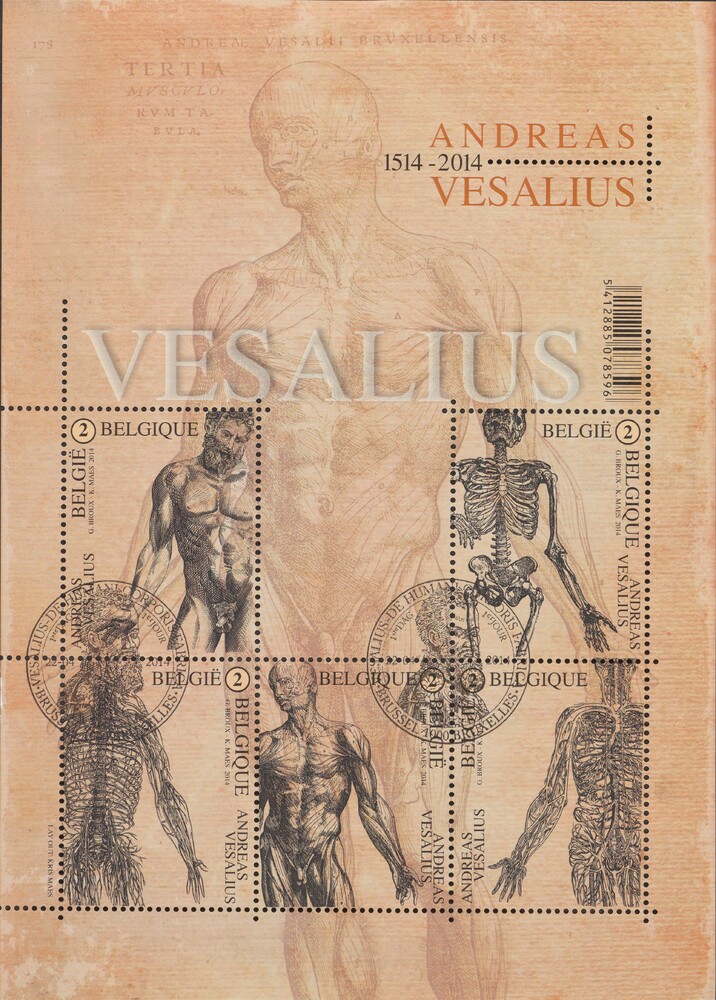
A year later, Vesalius left Leuven again, this time for Padova, another renowned center of medical education in Europe. Vesalius' passion for dissection and dedication to empirical research would find fertile ground in Padova: here he developed his most important contributions to the field of anatomy. He meticulously documented his observations during countless dissections, allowing him to correct numerous inaccuracies propagated by Galenus. In 1543, De Humani Corporis Fabrica by Vesalius was published. This scientific atlas of the human body is still an important milestone in our cultural and academic history, shedding a completely new light on the complexity of human anatomy.